
Foto von Campaign Creators am Unsplash
Master Your Freelance Pricing: Der vollständige Leitfaden für Pakete, die verkaufen
Pricing your freelance services can feel like walking a tightrope. Set your rates too high, and you might scare away potential clients. Price too low, and you'll struggle to make ends meet while potentially attracting clients who don't value your work. The good news? There's a strategic approach to freelance pricing that removes the guesswork and helps you build a sustainable business.
Whether you're just starting out on Freelanc.io or looking to restructure your existing offerings, understanding how to price your services and create compelling package options is crucial for long-term success. Let's dive into everything you need to know about freelance pricing strategies that work.
Why Traditional Hourly Pricing Often Falls Short
Many new freelancers default to hourly pricing because it seems straightforward. You work for an hour, you charge for an hour. Simple, right? Not quite. Hourly pricing has several significant drawbacks that can limit your earning potential.
First, hourly rates punish efficiency. As you become better at your craft, you complete projects faster. But if you're charging by the hour, getting faster means earning less for the same quality of work. This creates a perverse incentive to work slowly, which doesn't serve you or your clients.

Second, hourly pricing makes it difficult for clients to budget. They don't know the final cost until the project is complete, which creates anxiety and can lead to scope creep as they try to micromanage every hour you spend. Third, hourly rates commoditize your services. You become just another pair of hands charging $X per hour, rather than a skilled professional solving specific problems.
The Value-Based Pricing Mindset
Value-based pricing flips the script entirely. Instead of charging for your time, you charge based on the value you deliver to the client. A logo design might take you 10 hours, but if it helps a startup raise $500,000 in funding, your work is worth far more than 10 times your hourly rate.
This approach requires a fundamental shift in how you think about your services. You're not selling hours; you're selling outcomes, transformations, and results. A website redesign isn't valuable because it took 40 hours to build. It's valuable because it increases conversion rates by 35% and generates an additional $50,000 in annual revenue.
To adopt value-based pricing, start every client conversation by asking about their goals, challenges, and what success looks like. What problem are they trying to solve? What will change in their business when this project is complete? How will they measure success? These questions help you understand the true value of your work and price accordingly.
Creating Your Service Package Structure
Package-based pricing is one of the most effective ways to present your services. Instead of offering a la carte options or hourly rates, you create distinct packages at different price points. This approach makes decision-making easier for clients while giving you more control over project scope and profitability.
The classic three-tier structure works well for most freelancers: a basic package, a standard package, and a premium package. Each tier should offer clear, tangible differences in deliverables, turnaround time, or level of service. Here's how this might look for different freelance services:
For Graphic Designers:
- Basic Package: Logo design with 2 concepts and 2 revision rounds ($800)
- Standard Package: Logo design with 3 concepts, 3 revision rounds, plus business card design ($1,500)
- Premium Package: Complete brand identity with logo, business cards, letterhead, social media templates, and brand guidelines ($3,500)
For Content Writers:
- Basic Package: 4 blog posts per month, basic SEO optimization ($600)
- Standard Package: 8 blog posts per month, advanced SEO, keyword research ($1,200)
- Premium Package: 12 blog posts, advanced SEO, keyword research, content strategy consultation, social media snippets ($2,000)
For Web Developers:
- Basic Package: 5-page website, mobile responsive, contact form ($2,500)
- Standard Package: 10-page website, mobile responsive, contact form, blog setup, basic SEO ($4,500)
- Premium Package: Custom website, unlimited pages, advanced features, CMS setup, SEO optimization, 3 months support ($8,500)
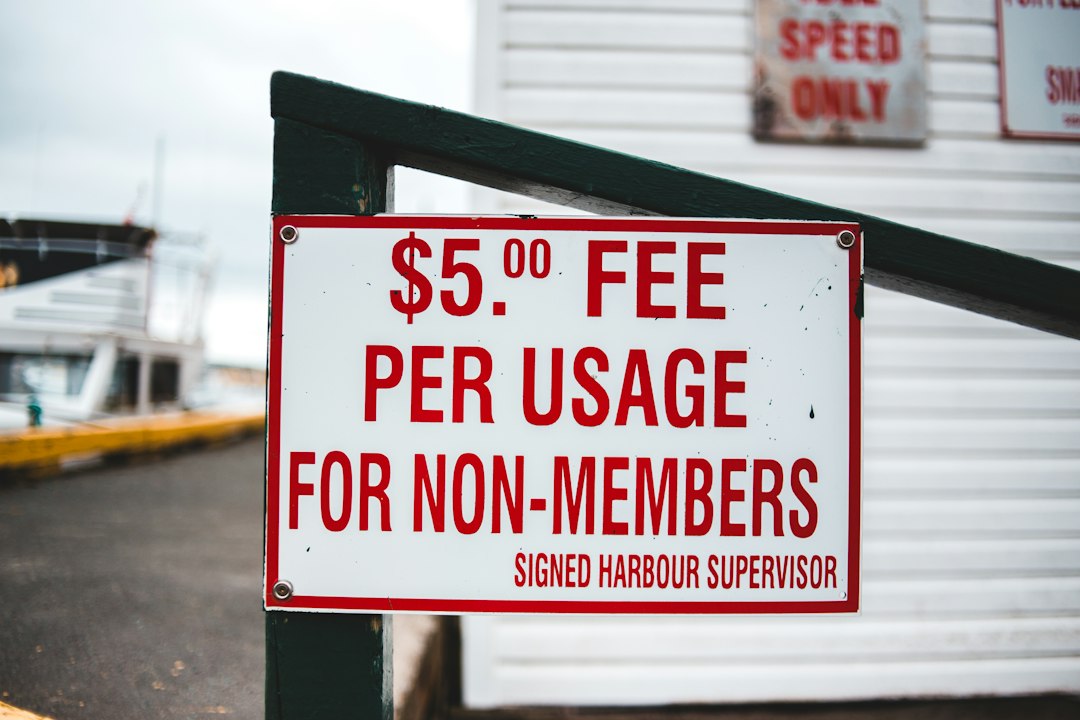
The Psychology Behind Effective Pricing Tiers
Your three-tier structure isn't just about offering options; it's about guiding clients toward the package that works best for both of you. Most clients will gravitate toward the middle option, a phenomenon known as the "Goldilocks effect." The basic package establishes your minimum price point, the premium package anchors the high end, and the standard package becomes the obvious choice.
Price your standard package at the level where you want most clients to land. This should be the sweet spot between profitability and accessibility. Your basic package should still be profitable but stripped down to essentials. Think of it as your entry point for budget-conscious clients or those who want to test your services before committing to larger projects.
The premium package serves multiple purposes. It catches clients who need comprehensive solutions and are willing to pay for them. It also makes your standard package look more reasonable by comparison. Even if only 10-20% of clients choose the premium option, those high-value projects can significantly boost your income.
Pricing Research: Finding Your Market Position
Before setting your rates, you need to understand the market landscape. What are other freelancers with similar experience and skills charging? What can your target clients afford? Where do you want to position yourself in the market?
Start by researching competitors on Freelanc.io and other platforms. Look at freelancers who offer similar services and have comparable experience levels. Note their pricing structures, package options, and how they describe their value propositions. This isn't about copying their prices; it's about understanding the range.
| Experience Level | Typical Hourly Rate | Basic Package | Premium Package |
|---|---|---|---|
| Beginner (0-2 years) | $25-$50 | $300-$800 | $1,500-$3,000 |
| Intermediate (2-5 years) | $50-$100 | $800-$2,000 | $3,000-$7,000 |
| Expert (5+ years) | $100-$200+ | $2,000-$5,000 | $7,000-$15,000+ |
Consider your positioning strategy carefully. Budget pricing attracts price-sensitive clients who may be more demanding and less loyal. Premium pricing attracts clients who value quality and expertise but requires you to deliver exceptional results consistently. Mid-market pricing offers a balance but can be competitive.
Building Confidence in Your Pricing
One of the biggest challenges freelancers face is the confidence to charge what they're worth. You might feel nervous about stating your rates, especially when starting out. This anxiety often leads to underpricing, which attracts the wrong clients and makes it harder to build a sustainable business.
Confidence in your pricing comes from understanding your value. Document your results, testimonials, and case studies. When you can show potential clients that your work generates measurable outcomes, your prices become easier to justify. A $5,000 website design is expensive until the client realizes it will generate $100,000 in new business.

Practice stating your prices out loud. Seriously. Stand in front of a mirror and say, "My standard package is $2,500." The more comfortable you are saying your prices, the more confident you'll sound when discussing them with clients. Confidence is contagious. If you believe in your pricing, clients are more likely to accept it without pushback.
Add-Ons and Upsells: Maximizing Project Value
Package pricing doesn't mean you can't offer additional options. Strategic add-ons allow clients to customize their experience while increasing your project revenue. These should be services that complement your core packages but aren't essential for everyone.
For example, a web designer might offer these add-ons:
- Rush delivery (project completed in half the usual time): +50% of package price
- Additional revision rounds: $200 per round
- Custom illustrations or graphics: $150-$500 depending on complexity
- Content writing for website pages: $200 per page
- Monthly maintenance package: $300/month
Present add-ons after the client has committed to a base package. This prevents overwhelming them with too many choices upfront while giving you an opportunity to increase project value. Some clients will gladly pay extra for rush delivery or additional services they didn't initially consider.
Handling Price Objections Professionally
Even with perfect pricing, you'll encounter clients who push back on your rates. How you handle these objections can make the difference between winning and losing projects. The key is to stay professional, confident, and focused on value rather than defending your prices.
When a client says your prices are too high, resist the urge to immediately offer a discount. Instead, ask questions: "What were you expecting to invest in this project?" or "What's your budget for this work?" Often, clients don't have a realistic understanding of what quality services cost.
If there's a genuine budget constraint, you have several options. You can offer your basic package if they were inquiring about the standard package. You can remove certain deliverables to reduce the scope and price. Or you can offer a payment plan that spreads the cost over several months. What you shouldn't do is slash your prices dramatically just to win the project.
When and How to Raise Your Rates
Your pricing isn't set in stone. As you gain experience, build your portfolio, and improve your skills, your rates should increase accordingly. Most successful freelancers raise their rates every 6-12 months, typically by 10-20%.
The best time to raise rates is when you're consistently booked and turning away work. If you have more demand than you can handle, your prices are too low. Raising rates helps you earn more while working with fewer clients, improving your work-life balance and allowing you to deliver better results.
For existing clients, give advance notice of rate increases (at least 30-60 days). Grandfather them in at current rates for ongoing work if you want to maintain the relationship. For new clients, simply update your packages and present the new pricing. You don't need to justify or apologize for rate increases; they're a normal part of business growth.
Testing and Refining Your Pricing Strategy
Pricing is as much art as science, and what works for one freelancer may not work for another. The key is to test different approaches and refine based on results. Track your conversion rates for each package tier. If no one ever chooses your premium package, it might be priced too high or not differentiated enough. If everyone only wants your basic package, you might need to add more value to the higher tiers.
Pay attention to the types of clients each price point attracts. Lower prices often bring clients who are more demanding, request more revisions, and are slower to pay. Higher prices typically attract more professional clients who respect your expertise and trust your process. This qualitative feedback is just as important as conversion rates.
Experiment with different package names, descriptions, and inclusions. Sometimes a small change in how you present your offerings can significantly impact which packages clients choose. A/B test your pricing page if you have enough traffic, or simply try different approaches with different client segments.
Creating Pricing That Supports Your Lifestyle Goals
Ultimately, your pricing should support the lifestyle and income goals you've set for your freelance business. Start with your target annual income and work backward. If you want to earn $75,000 per year and can realistically complete 30 projects annually, you need an average project value of $2,500.
This calculation helps you understand whether your current pricing aligns with your goals. It also reveals how many clients you need to achieve your income targets. Maybe you'd rather work with 15 clients at $5,000 each than 50 clients at $1,500 each. Both scenarios generate the same revenue, but the client management, workload, and stress levels are dramatically different.
Consider your desired work schedule too. If you want to work 30 hours per week and take 4 weeks of vacation annually, you have about 1,440 billable hours per year. To earn $75,000, you'd need to average about $52 per hour across all projects. This might mean setting package prices that reflect 20-30 hours of work at $60-75 per hour to account for non-billable time like marketing and administration.
Communicating Value in Your Pricing Presentations
How you present your pricing matters as much as the prices themselves. Create professional package descriptions that focus on benefits and outcomes rather than just listing features. Instead of "3 logo concepts," say "3 unique logo concepts designed to capture your brand personality and appeal to your target audience."
Use your Freelanc.io profile to clearly showcase your packages with detailed descriptions. Include what's included, what's not included, typical turnaround times, and the process clients can expect. Transparency builds trust and reduces back-and-forth questions about scope and deliverables.
Consider creating a simple pricing guide or PDF that you can send to potential clients. This document should explain your packages, showcase past work, include testimonials, and outline your process. A professional presentation elevates your perceived value and makes it easier for clients to say yes.
Moving Forward with Confidence
Pricing your freelance services effectively is a skill that develops over time. You'll make mistakes, undercharge some clients, and occasionally lose projects because your rates were too high. That's all part of the learning process. What matters is that you're strategic, intentional, and constantly refining your approach.
Start by choosing a pricing model that aligns with your services and market position. Create clear package options that make decision-making easy for clients. Build confidence in your rates by focusing on the value you deliver. And remember, you can always adjust your pricing as you gain experience and clarity about what works.
The freelancers who succeed on Freelanc.io aren't necessarily the cheapest; they're the ones who communicate their value clearly, price their services strategically, and attract clients who appreciate quality work. With the strategies outlined in this guide, you're well-equipped to create a pricing structure that supports both your financial goals and your desired lifestyle. Now it's time to put these principles into practice and watch your freelance business thrive.
Emma Moderator
Autor
Bewerten Sie diesen Artikel
Noch keine Bewertungen. Seien Sie der Erste, der bewertet!