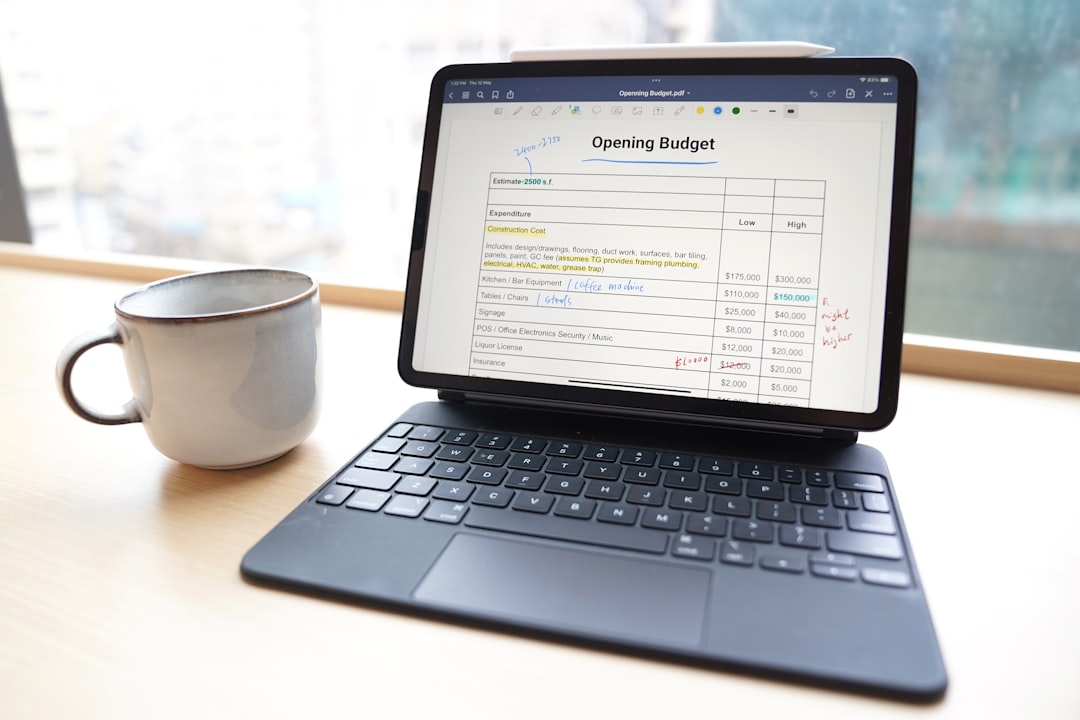
Photo by GoodNotes 5 on Unsplash
Master the Art of Setting Realistic Deadlines and Budgets
You've just landed a promising new client. They're excited about your work, and you're eager to impress. But then comes the tricky part: setting a deadline and quoting a price. Quote too high or set too long a timeline, and you might lose the project. Go too low or too fast, and you'll end up working nights and weekends for pennies per hour.
This balancing act is one of the most challenging aspects of freelancing, yet it's absolutely critical to your success and sanity. The good news? Setting realistic deadlines and budgets isn't guesswork. It's a skill you can master with the right approach and a bit of practice.
Why Getting This Right Matters More Than You Think
Before diving into the how-to, let's understand what's at stake. When you consistently miss deadlines or undercharge for your work, you're not just losing money or pulling all-nighters. You're damaging your reputation, burning out faster, and training clients to expect unrealistic terms.
On the flip side, freelancers who nail their deadlines and budgets enjoy higher client retention rates, better reviews, and the ability to command premium rates. They also sleep better at night and actually enjoy their work.

The Real Cost of Your Time
Most freelancers make their first mistake before they even start calculating. They forget to account for all the hidden time that goes into every project. Let's break down what really happens when you take on a project:
Client communication and management: Reading emails, clarifying requirements, providing updates, handling revisions. This typically adds 15-25% to your actual work time.
Administrative tasks: Invoicing, contract reviews, file management, and platform fees. Another 10-15% of your time.
Research and preparation: Understanding the client's industry, gathering resources, setting up your workspace. Often 10-20% depending on project complexity.
Revisions and refinements: Even with clear briefs, expect at least 2-3 rounds of feedback. Budget 20-30% extra time for this.
Here's a reality check: if you estimate a project will take 10 hours of actual work, you should budget for 15-18 billable hours to account for everything else.
The Three-Step Method for Setting Realistic Deadlines
Let's get practical. Here's a proven system that works across different freelance disciplines:
Step 1: Break Down the Project into Micro-Tasks
Don't just estimate the whole project at once. Break it into the smallest possible components. For a website design project, this might look like:
- Initial research and mood boarding (3 hours)
- Wireframe creation (4 hours)
- First design mockup (6 hours)
- Client review and revision round one (2 hours)
- Second revision round (3 hours)
- Final files preparation (2 hours)
- Total: 20 hours
Step 2: Apply the Buffer Multiplier
Take your total estimate and multiply by 1.5. Yes, really. This accounts for Murphy's Law (everything that can go wrong, will), unexpected client requests, and the hidden tasks we discussed earlier.
Our 20-hour project becomes 30 hours. If you work 6 hours per day on client projects (accounting for your own business tasks), that's 5 working days.
Step 3: Add Strategic Padding
Now add 2-3 extra days for unexpected situations. Client on vacation? Sudden illness? Technical issues? This padding protects both you and your client relationship.
Final deadline: 7-8 business days from project start.

Pricing Your Work: Beyond the Hourly Rate
Many freelancers get stuck thinking only in terms of hourly rates. While knowing your hourly rate is important, value-based pricing often serves you better. Here's how to think about it:
Calculate Your Minimum Viable Rate
First, know your basement. What's the absolute minimum you need to charge to keep your business running?
Monthly expenses: Rent, utilities, software subscriptions, healthcare, taxes (don't forget those!), savings.
Billable hours per month: Be realistic. If you work 40 hours per week, maybe 25-30 are actually billable.
Minimum hourly rate = Monthly expenses / Billable hours per month
If your monthly expenses are $4,000 and you have 100 billable hours, your minimum is $40/hour. But remember, this is your survival rate, not your goal rate.
Factor in Your Experience and Value
Your rate should reflect:
- Your years of experience
- Specialized skills or certifications
- The results you deliver for clients
- Market rates in your niche
- Your portfolio quality
A beginner might charge $40-60/hour. An intermediate freelancer with 2-3 years and solid results might charge $75-125/hour. Experts with proven track records can command $150-300/hour or more.
The Project-Based Pricing Formula
For many projects, fixed-price agreements work better than hourly billing. Here's the formula:
(Estimated Hours × Your Hourly Rate) + 20-30% Project Complexity Buffer = Your Quote
For our 30-hour website design example at $80/hour:
- Base cost: $2,400
- Complexity buffer (25%): $600
- Total quote: $3,000
This gives you room to deliver excellent work without constantly watching the clock.
Red Flags That Your Estimates Are Off
Watch for these warning signs that you need to recalibrate:
You're consistently working weekends: Your deadline estimates are too aggressive.
Clients seem shocked by your quotes: You might be pricing too high for your experience level or not communicating value effectively.
You finish projects way ahead of schedule: You're leaving money on the table with overly conservative estimates.
Your profit margin is shrinking: You're not accounting for all costs or you're undercharging.
You dread starting new projects: Burnout from unrealistic deadlines and poor compensation.

Communicating Deadlines and Budgets with Confidence
How you present your timeline and pricing matters as much as the numbers themselves. Here's how to do it right:
Be Specific and Clear
Don't say: "This will take a couple of weeks and cost around $2,000."
Do say: "Based on the project scope, I can deliver the final files by March 15th. The total investment is $2,400, which includes two rounds of revisions."
Explain Your Value
Help clients understand what they're paying for:
"This timeline ensures I can dedicate proper attention to research, create multiple concepts, and refine the design based on your feedback. The result will be a polished, professional website that serves your business goals."
Build in Milestone Payments
For larger projects, structure payments around deliverables:
- 30% upfront to begin work
- 40% at mid-project milestone
- 30% upon final delivery
This protects your cash flow and keeps clients engaged throughout the process.
When to Say No or Renegotiate
Sometimes the best decision is walking away or pushing back. Consider renegotiating when:
The client's budget is far below your minimum: Unless it's a strategic portfolio piece, don't undervalue your work.
The timeline is impossibly tight: Rushing leads to poor quality and burnout. Propose a realistic timeline or a reduced scope.
Scope creep appears before you even start: If requirements keep expanding during negotiation, that's a red flag for the entire project.
Your gut says something's off: Trust your instincts. Difficult negotiations often predict difficult projects.
Tools and Systems to Stay on Track
Don't rely on memory alone. Use these tools to manage deadlines and budgets effectively:
Time tracking software: Tools like Toggl, Harvest, or Clockify help you understand how long tasks actually take versus your estimates.
Project management platforms: Trello, Asana, or Monday.com keep deliverables organized and deadlines visible.
Invoice and expense tracking: FreshBooks, Wave, or QuickBooks help monitor your actual profitability per project.
Calendar blocking: Schedule project work like appointments. If it's not on your calendar, it won't get done.
Learning from Every Project
The secret to getting better at deadlines and budgets? Treat every project as a learning opportunity.
After each project, spend 15 minutes reviewing:
- How did my time estimate compare to reality?
- Which tasks took longer than expected and why?
- Was my pricing appropriate for the value delivered?
- What would I do differently next time?
Keep a simple spreadsheet tracking this data. Over time, you'll develop an intuitive sense for accurate estimates in your specific niche.
The Confidence Factor
Here's something they don't teach you: confidence in your pricing and deadlines actually helps you deliver better work. When you're not stressed about money or racing against impossible deadlines, you can focus on creativity and quality.
Clients also respond to confidence. When you present your terms with clarity and conviction, they're more likely to accept them without negotiation.
Your Action Plan
Ready to implement this? Here's your next steps:
-
This week: Calculate your true minimum hourly rate including all expenses and taxes.
-
For your next project: Use the three-step deadline method to create a realistic timeline.
-
Within a month: Review your last 3-5 projects and analyze where your estimates were off.
-
Ongoing: Track your time on every project to build accurate estimating skills.
Remember, setting realistic deadlines and budgets isn't about being perfect from day one. It's about continuous improvement, learning from experience, and valuing your time appropriately.
The freelancers who thrive aren't necessarily the fastest or the cheapest. They're the ones who consistently deliver quality work on time and at fair prices. That reliability builds trust, generates referrals, and creates a sustainable business you can actually enjoy.
Start treating your estimates with the same care you give your actual work. Your future self (and your bank account) will thank you.
Emma Moderator
Author
Rate this article
No ratings yet. Be the first to rate!